The authentic performance assessment implemented in this unit was a Community Helper Show & Tell, where Pre-K students demonstrated their understanding through play, communication, and interaction using developmentally appropriate modalities. A structured analytic rubric was used to assess five key areas: engagement, identification, communication, demonstration/play, and attention/regulation. This rubric allowed for individualized evaluation while still maintaining consistent criteria across students.
Design and Implementation
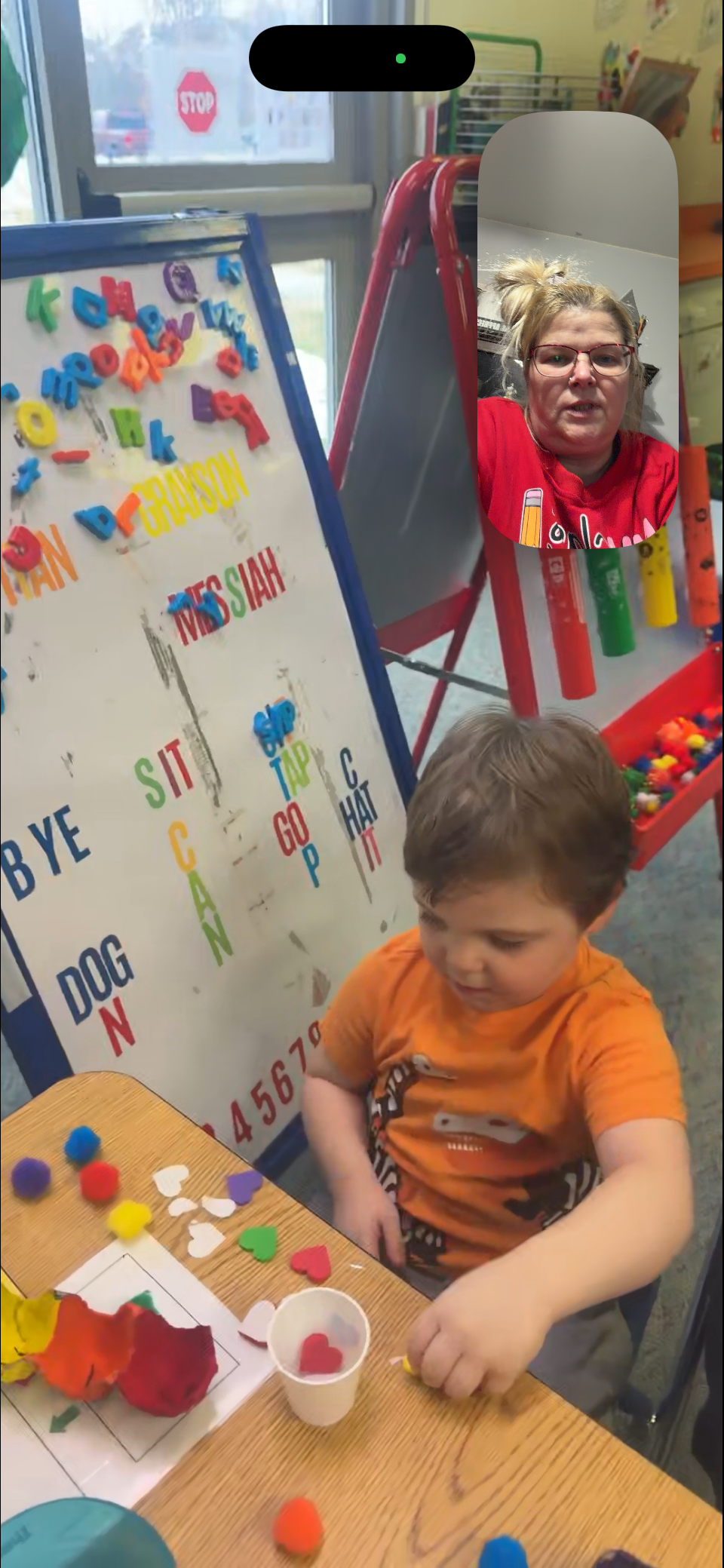
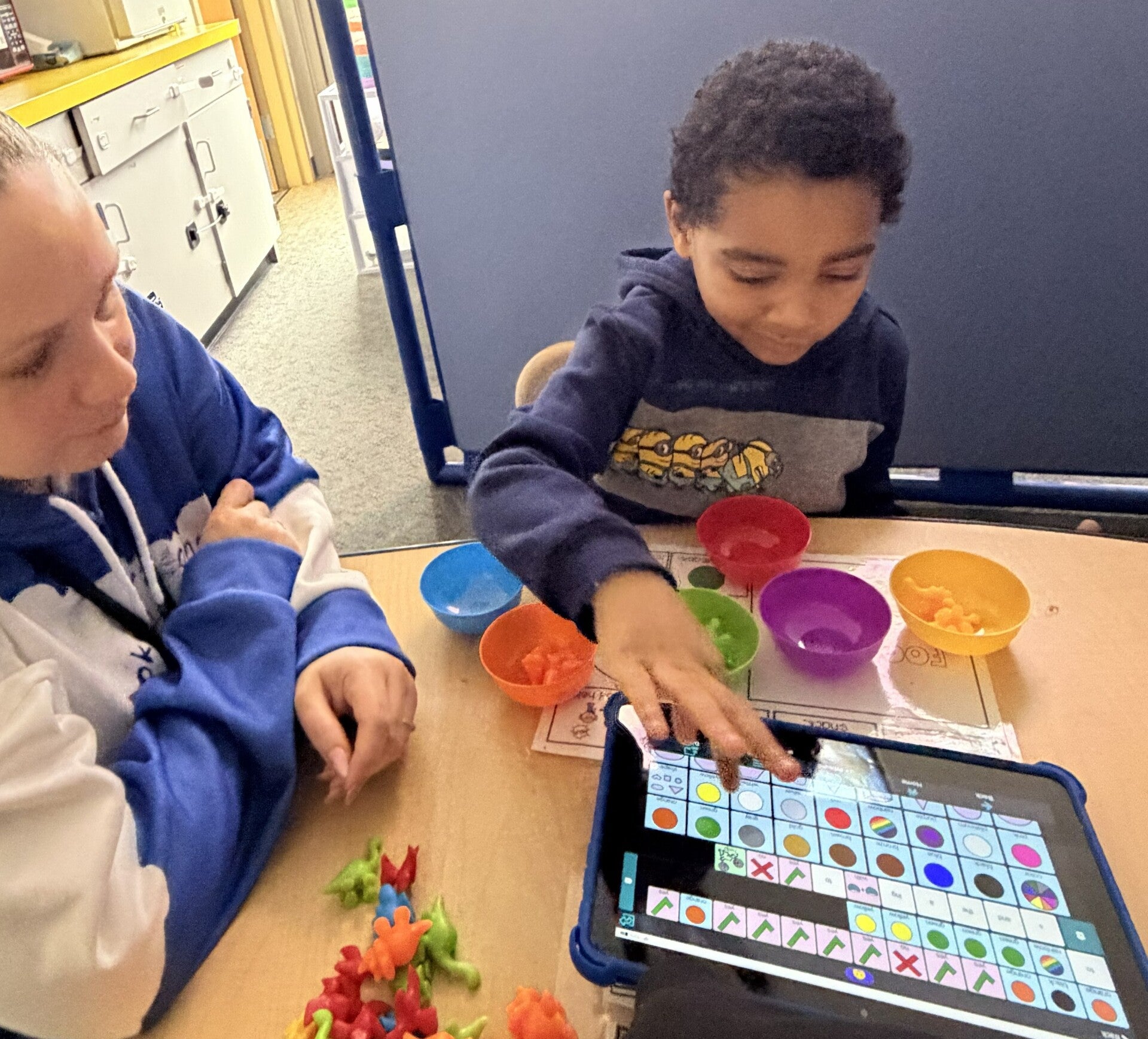
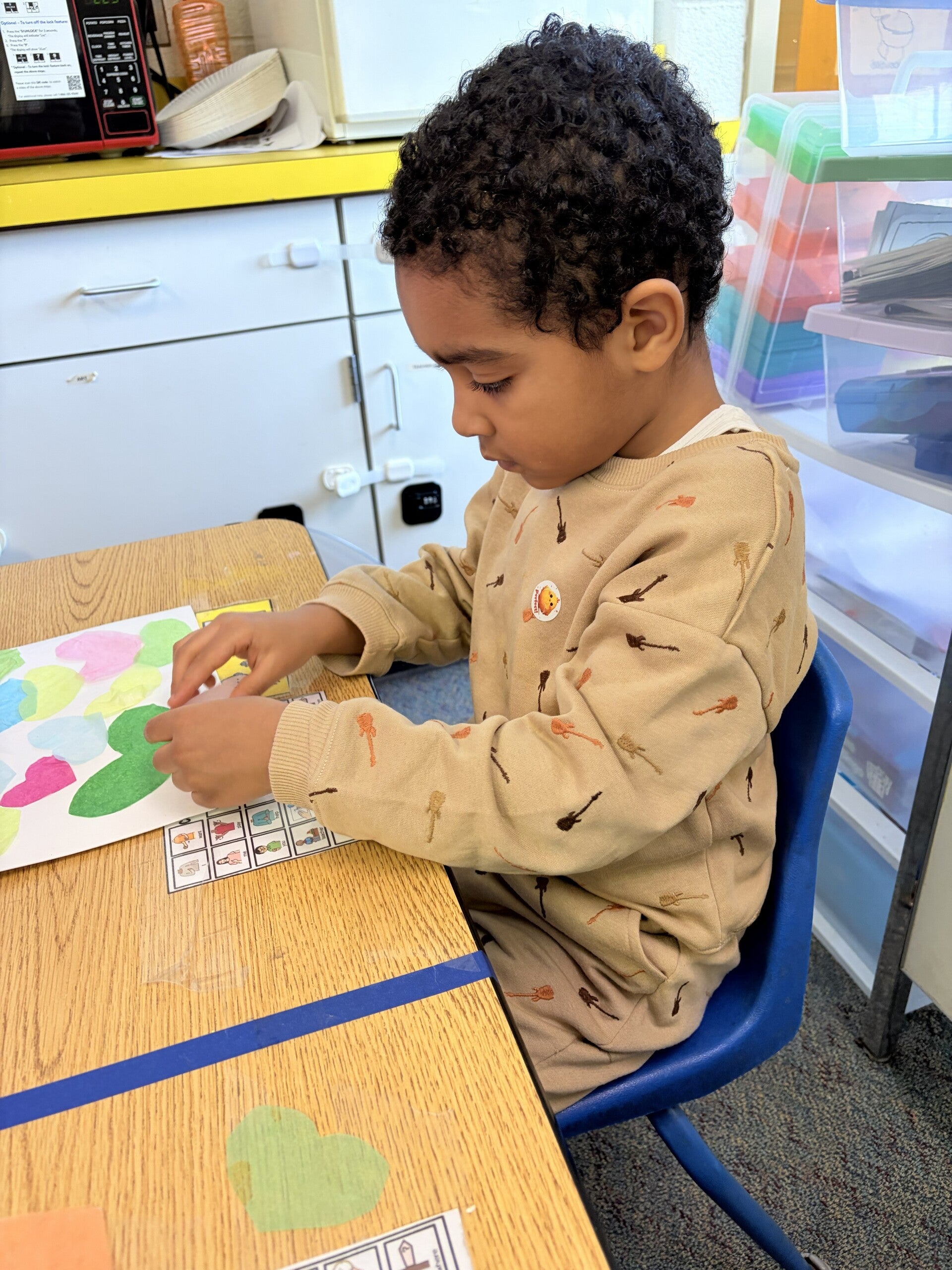
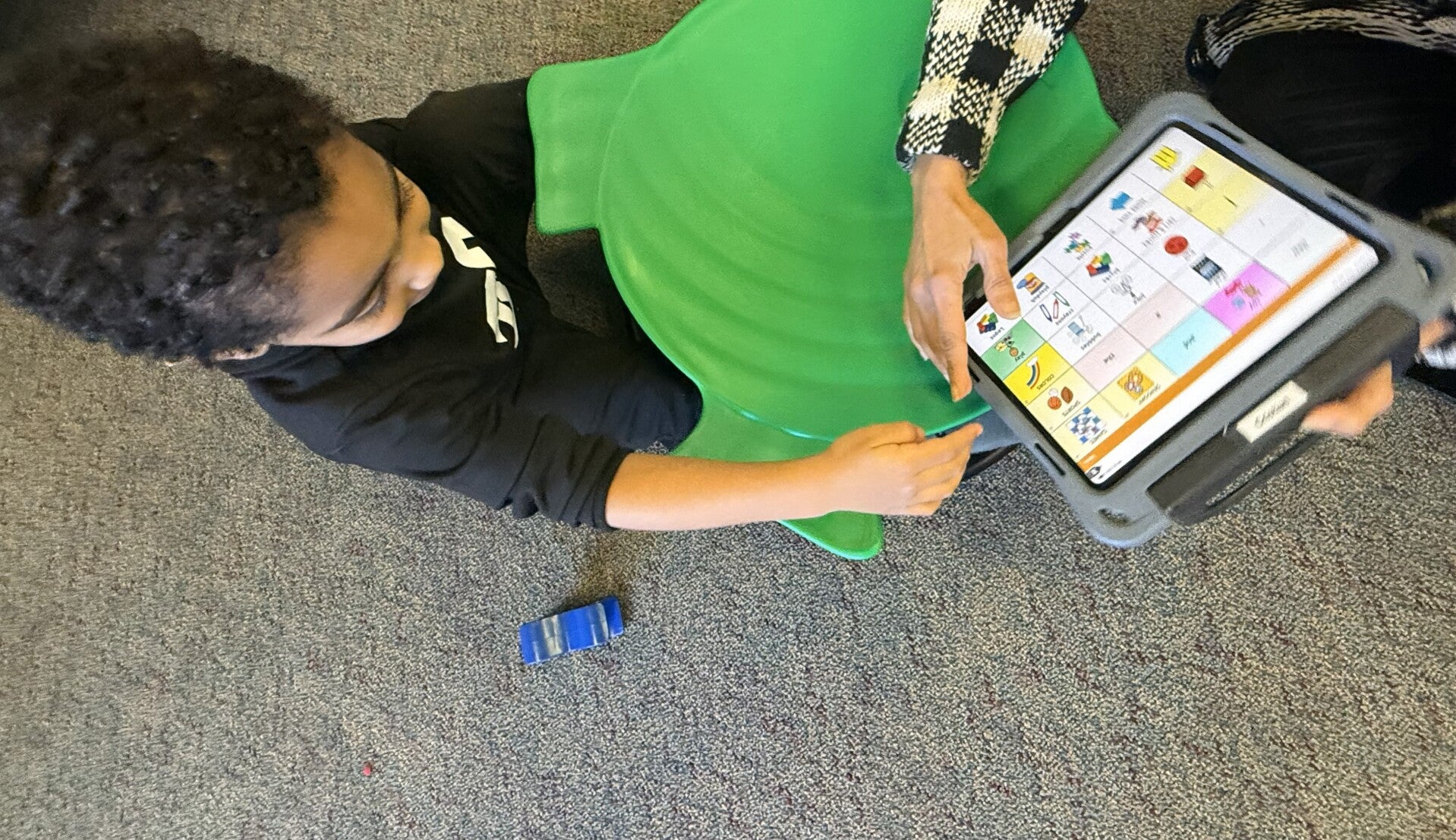
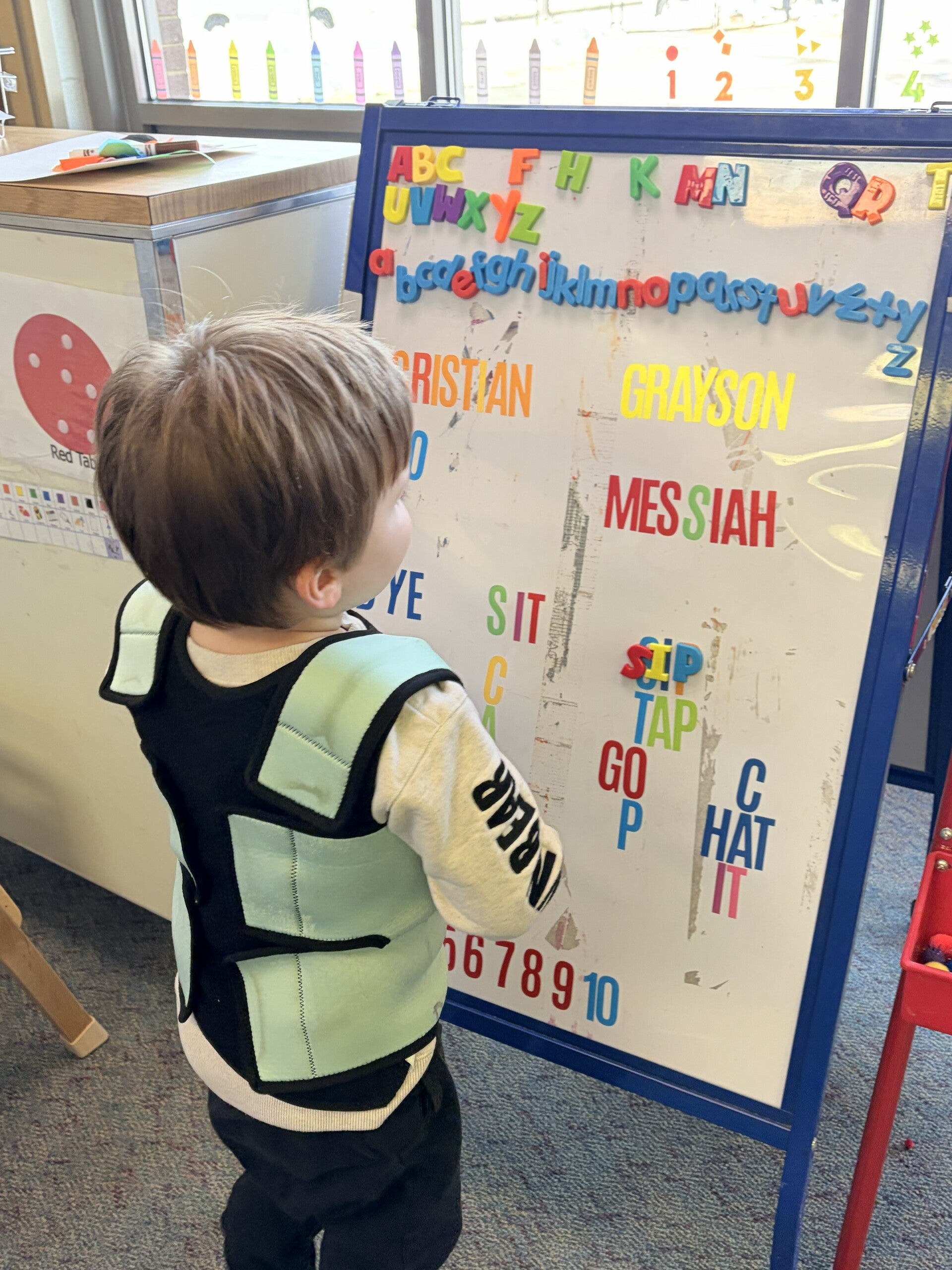
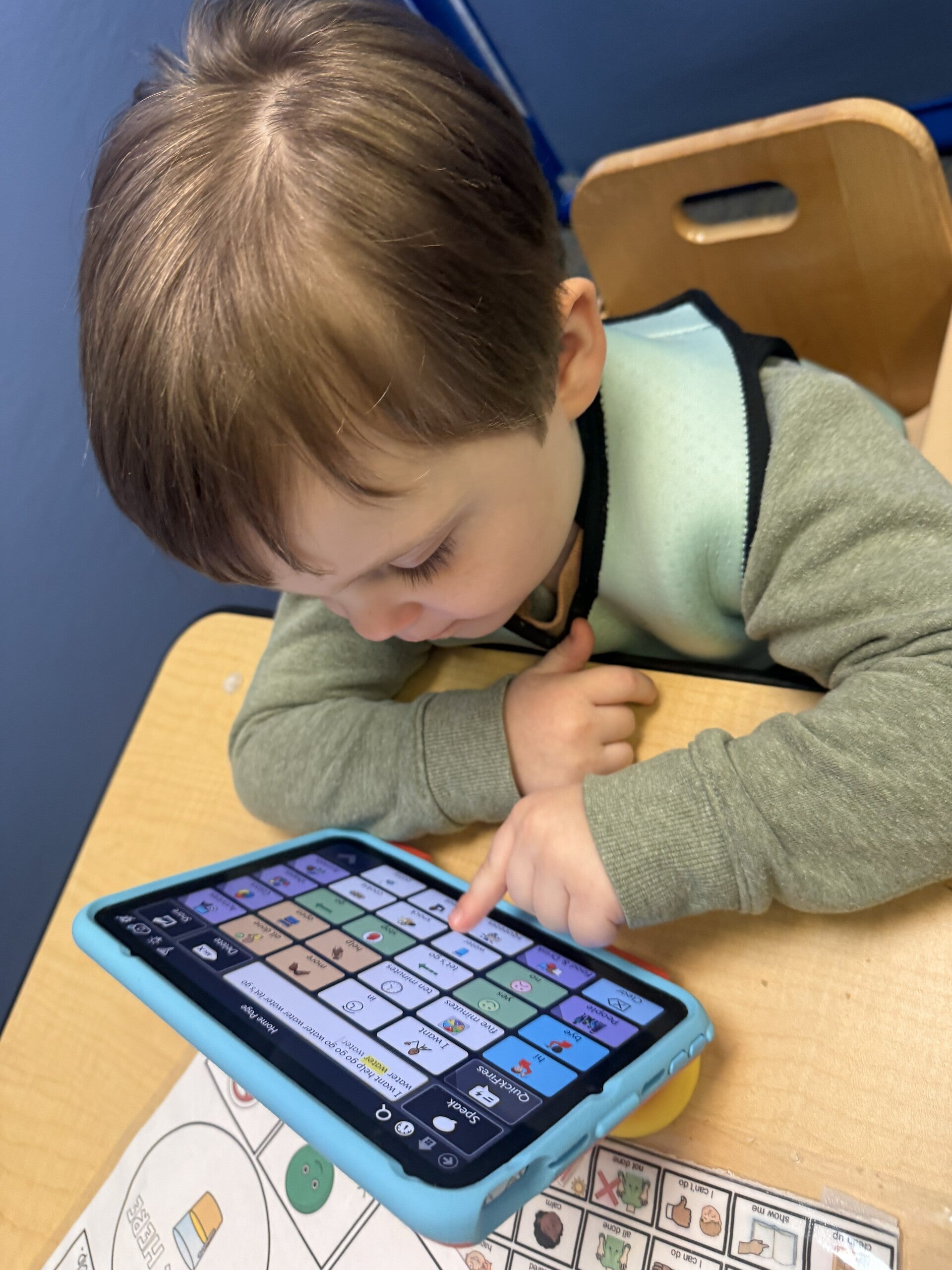
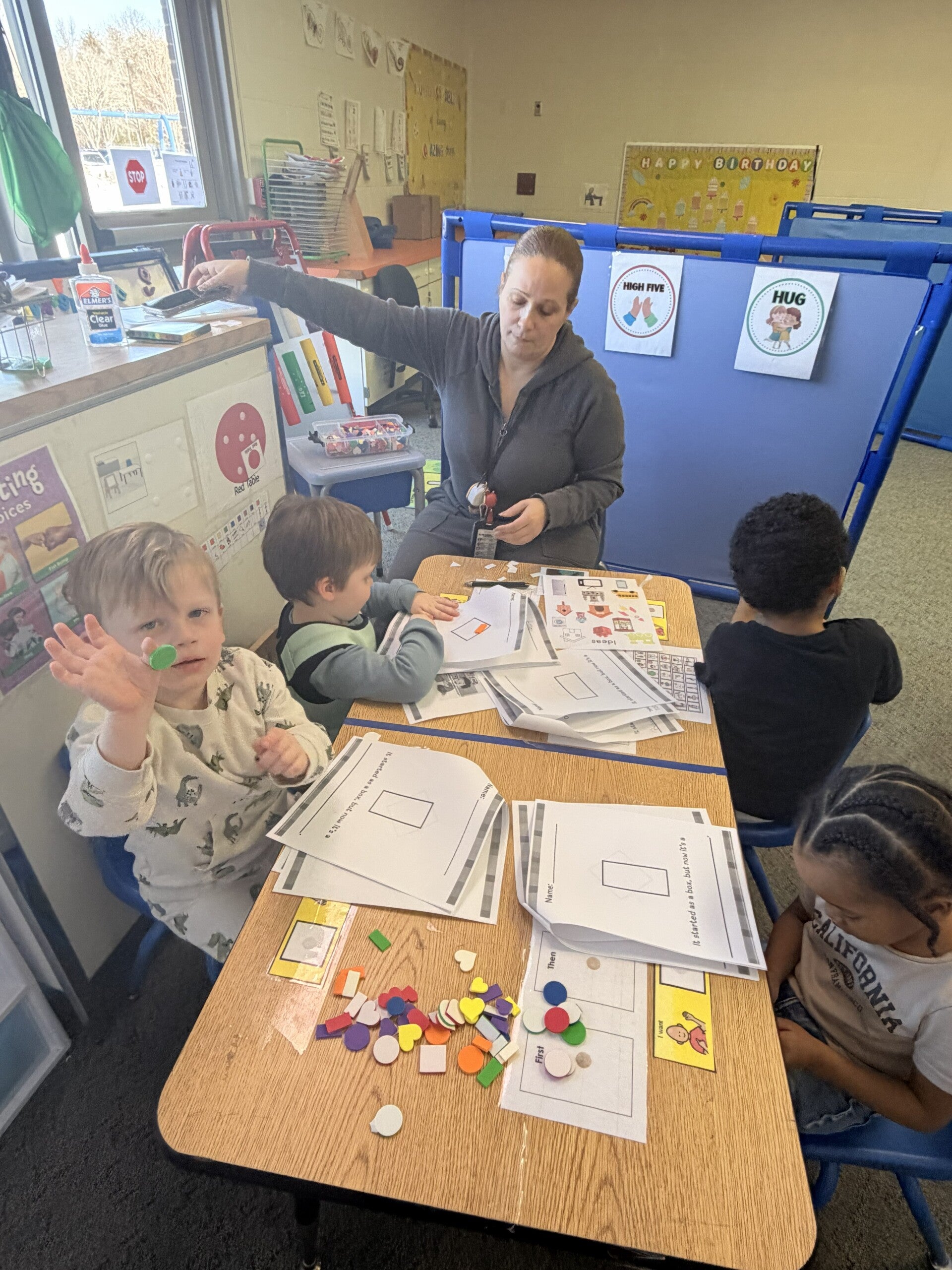
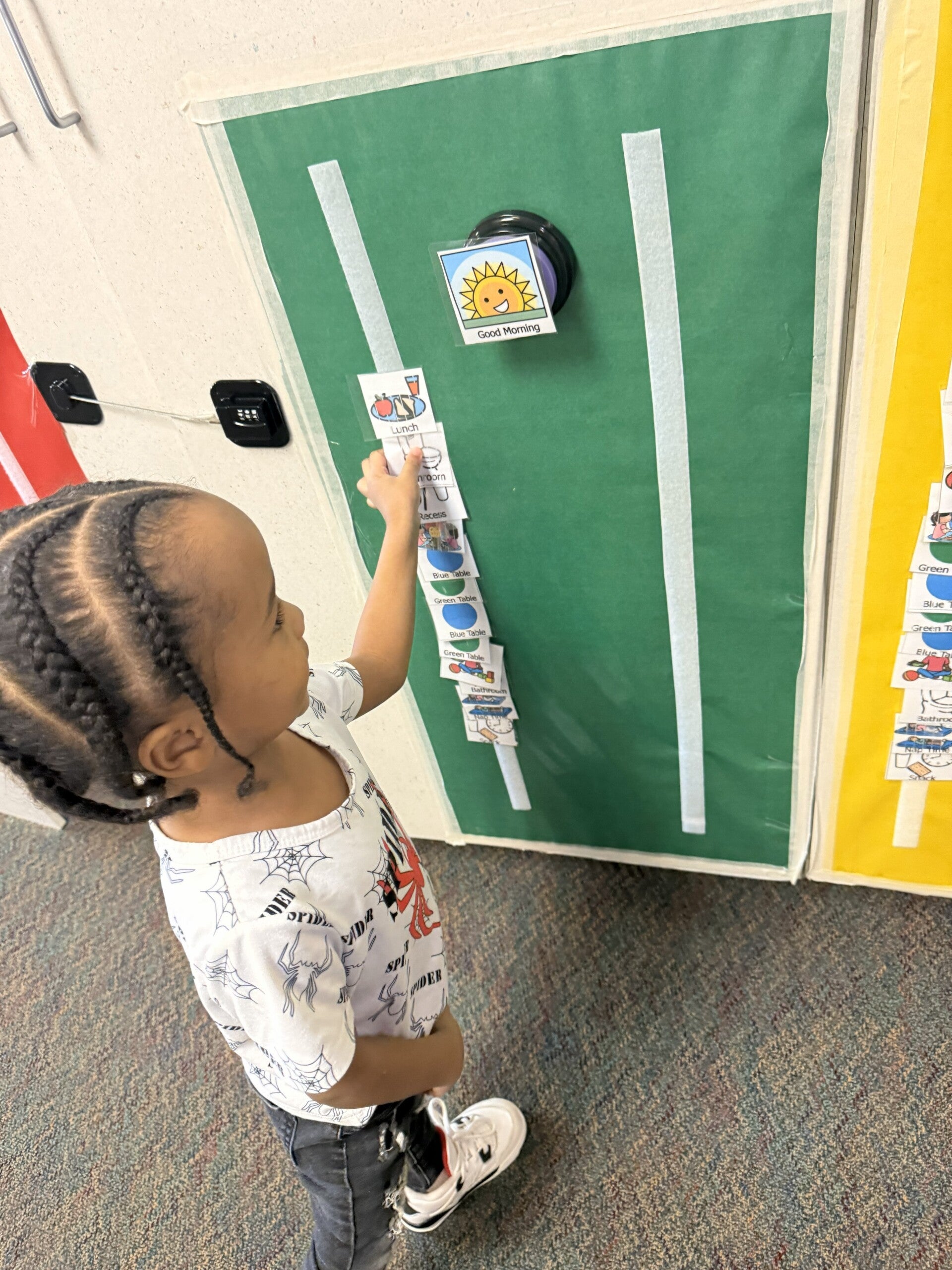
The rubric-based assessment was successfully implemented during the culminating activity. Evidence of student work included observational notes, photos of students engaging in dramatic play, and documentation of student communication attempts (verbal, AAC, gestures). Students showed strengths particularly in engagement and demonstration through play, as many were able to act out roles such as doctors or firefighters. Challenges emerged in expressive communication, especially for students with language delays, which impacted their ability to verbally explain their understanding.
To improve the rubric, I would (1) add clearer performance descriptors with examples (e.g., what AAC use looks like at each level), and (2) include a flexibility column for individualized IEP alignment, ensuring growth is measured relative to each child’s baseline.
Guiding Students to Self and Peer Assessment
Students were guided to participate in self- and peer-assessment through developmentally appropriate strategies such as thumbs up/down, choice boards, and modeling feedback language (e.g., “I like how you helped people”). Peer interactions were scaffolded during practice sessions, allowing students to observe and respond to others’ performances.
Personalized formative feedback was provided during practice (e.g., prompting expanded language like “Doctor helps people feel better”), while summative feedback included specific strengths (e.g., strong engagement in role-play) and next steps (e.g., increasing independent communication attempts).
Analysis of Student Achievement
Student learning was evident across all domains. For example, students who scored higher in Identification consistently matched helpers to tools, while those with higher Communication scores used phrases, signs, or AAC to express ideas. Students who struggled often demonstrated understanding through play rather than verbal expression, indicating a gap between receptive knowledge and expressive output.
Data analysis suggests that variability in performance was influenced by language development levels, familiarity with the content, and access to supports such as visuals or AAC devices. Students with consistent exposure to modeled language and structured supports showed stronger outcomes.
Planning for Improvements
Two key improvements to the assessment include:
- Embedding more structured practice opportunities with explicit modeling of communication prior to assessment to support expressive language development.
- Incorporating family input and practice at home, allowing students to generalize skills across environments.
Additionally, rubric revisions will include more explicit criteria differentiation and examples tied to developmental levels, ensuring clarity and alignment with Pre-K special education needs.
Overall, this authentic assessment effectively captured student learning in a meaningful, real-world context while honoring diverse communication styles. It provided valuable insight into both student strengths and instructional next steps, supporting ongoing, data-driven instruction.
Pre-K Authentic Performance Rubric
Community Helper Show & Tell Assessment
Scoring Scale
- 4 = Exceeds Expectations
- 3 = Meets Expectations
- 2 = Developing
- 1 = Emerging
Rubric Criteria
- Engagement
- 4: Actively participates throughout; shows enthusiasm; initiates interaction
- 3: Participates with minimal prompting; stays engaged most of the time
- 2: Participates inconsistently; requires frequent prompting
- 1: Limited participation; disengaged or refuses
- Identification of Community Helper
- 4: Independently names or identifies helper correctly (verbal, AAC, or gesture)
- 3: Identifies helper with minimal support
- 2: Identifies helper with moderate prompting or choices
- 1: Unable to identify helper even with support
- Communication of Ideas
- 4: Communicates 1+ clear idea (e.g., “Doctor helps people”) independently
- 3: Communicates idea with minimal prompting
- 2: Communicates using single words, gestures, or AAC with support
- 1: Limited or no communication of idea
- Demonstration / Play
- 4: Clearly demonstrates helper role through play/actions independently
- 3: Demonstrates role with minimal support
- 2: Demonstrates partial understanding with modeling
- 1: Limited or no demonstration
- Attention & Regulation
- 4: Maintains attention and self-regulation independently
- 3: Maintains attention with minimal redirection
- 2: Requires frequent redirection or support
- 1: Unable to remain regulated or attend
Student Rubric
Student G
Criteria Score Evidence
Engagement
4
Highly engaged, eager to participate
Identification
3
Identified helper with minimal prompt
Communication
3
Used short phrase with support
Demonstration
4
Clearly acted out helper role
Attention/Regulation
3
Needed minimal redirection
Total: 17/20
Summary: Strong play skills; communication developing
Student M.
Criteria Score Evidence
Engagement
3
Participated with encouragement
Identification
3
Correctly identified helper with prompt
Communication
2
Used single words/AAC with support
Demonstration
3
Demonstrated role with modeling
Attention/Regulation
2
Required frequent redirection
Total: 13/20
Summary: Understands content; needs support with communication & regulation
Student C.
Criteria Score Evidence
Engagement
2
Limited participation
Identification
2
Needed choices to identify helper
Communication
1
Minimal communication attempts
Demonstration
2
Partial imitation with model
Attention/Regulation
2
Frequent prompting needed
Total: 9/20
Summary: Emerging skills; benefits from heavy scaffolding
Student L.
Criteria Score Evidence
Engagement
4
Fully engaged and enthusiastic
Identification
4
Independently identified helper
Communication
4
Used complete sentence independently
Demonstration
4
Clear, detailed role-play
Attention/Regulation
4
Fully independent
Total: 20/20
Summary: Exceeds expectations in all areas